
Vertical Autoclave Manufacturer in Tripura
Precision, safety, and reliability dictate the success of any laboratory, clinical setting, or industrial manufacturing unit. At the heart of these critical environments lies one essential process: sterilization. Microscopic contaminants can ruin months of scientific research, cause healthcare-associated infections, or compromise pharmaceutical product batches. As infrastructure expands rapidly across Northeast India, local access to heavy-duty, high-performance scientific equipment has become a top priority.
Traders, medical professionals, and laboratory directors in Agartala, Dharmanagar, and across the state face unique geographical and logistical challenges when sourcing precision engineering tools. If you are looking for a reliable, top-tier Vertical Autoclave Manufacturer in Tripura, this comprehensive guide covers the technical mechanisms, diverse structural variations, and core applications of modern vertical steam sterilizers.
To help local institutions bypass lengthy interstate supply chains, bioverselabproducts supplies state-of-the-art, medically certified vertical autoclaves engineered specifically to withstand heavy workloads and diverse environmental conditions.
What is a Vertical Autoclave?
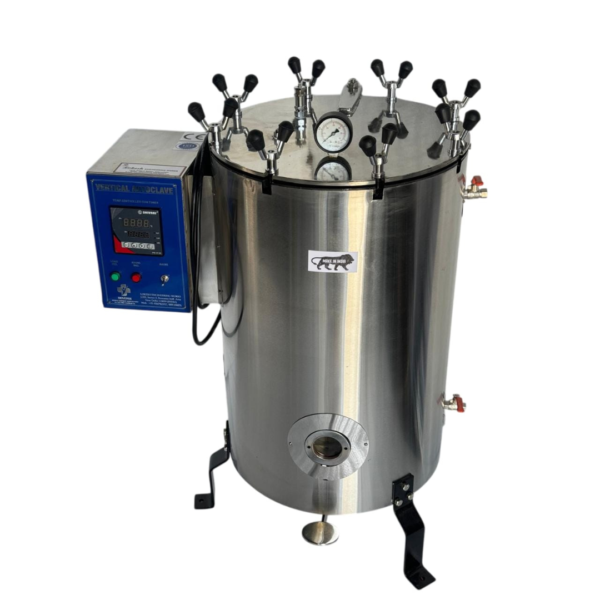
A vertical autoclave—often called an upright steam sterilizer—is a top-loading, cylindrical pressure vessel designed to sterilize equipment, media, liquids, and biohazardous waste. The term “vertical” describes the physical orientation of the sterilization chamber. Users open the lid from the top and lower the payloads vertically into the chamber using custom-engineered stainless steel wire baskets.
       [ TOP-LOADING LID ]
      /                   \  <-- Secure Radial Locking Mechanism
     |---------------------|
     |  [Stainless Basket] | <-- Payload lowered vertically
     |   Glassware / Media |
     |                     |
     |---------------------|
     |    [Water Level]    | <-- Immersion Heating Element
     `---------------------'
Unlike front-loading horizontal autoclaves that require a large footprint, vertical models utilize vertical space. This structural arrangement makes them perfect for facilities with restricted floor space, such as diagnostic labs, college biology departments, and regional hospitals across Tripura.
Different Types of Vertical Autoclaves
Different industries require different operational capabilities. As a leading vendor working closely with a premium Vertical Autoclave Manufacturer in Tripura, bioverselabproducts classifies these units into three distinct structural types based on their structural wall configuration and control systems:
1. Economy / Single-Walled Vertical Autoclaves
Design Configuration: Features a single, heavy-gauge stainless steel chamber that acts as both the boiling vessel and the pressure containment zone.
Operation: Features basic analog pressure gauges and simple mechanical rotary switches for heat control.
Best Suited For: Educational institutions, basic high school or college biology labs, and small rural health centers across Tripura that require affordable, straightforward sterilization for non-porous solid tools.
2. Double-Walled Vertical Autoclaves
Design Configuration: Features an inner steam sterilization chamber surrounded by a secondary outer jacket layer. The steam travels between these layers, providing an insulation barrier that reduces internal condensation.
Operation: Often paired with digital PID controllers, automatic timers, and low-water cut-off sensors.
Best Suited For: Clinical diagnostic laboratories, private nursing homes, and agricultural research hubs processing culture media, liquids, and surgical tools.
3. Triple-Walled / Premium GMP Models
Design Configuration: Features three distinct layers—the inner sterilization chamber, a steam jacket, and an outermost insulating clad layer packed with premium glass wool or mineral fiber insulation. This layout eliminates cold spots, ensures perfect temperature uniformity, and keeps the exterior frame cool to the touch.
Operation: Fully automated PLC microprocessors, digital data logging via RS-485 or USB ports, and automated pneumatic control valves.
Best Suited For: Pharmaceutical manufacturing units, state-level pathology centers, and high-security biotechnology research institutions requiring strict compliance with Good Manufacturing Practices (GMP) and international ISO standards.
Core Applications Across Tripura's Key Sectors
The demand for high-end vertical steam sterilizers spans multiple vital sectors within Tripura’s developing economic landscape.
1. Healthcare Centers and Regional Hospitals
Hospitals, private dental clinics, and public health centers across Agartala rely heavily on top-loading autoclaves to sanitize surgical trays, biopsy tools, surgical drapes, and wound dressings. Proper sterilization cycles eliminate cross-contamination and prevent the spread of bloodborne pathogens.
2. Agricultural Research and Biotechnology
Agriculture and rubber cultivation drive Tripura’s economy. State-run tissue culture labs, soil testing facilities, and botanical research groups use vertical autoclaves to prepare sterile nutrient agar media, eliminate unwanted fungal spores from growth vessels, and decontaminate biological waste samples before disposal.
3. Food Processing and Beverage Industries
From packaged fruit juice units to local dairy processing plants, keeping micro-free machinery is non-negotiable. Autoclaves sterilize glass bottles, processing pipes, and quality control sampling tools to maintain local and national food safety standards.
4. Educational and Academic Research Labs
Higher education institutes, including Tripura University, MBB College, and various medical colleges, utilize vertical autoclaves to train the next generation of scientists and physicians. These systems allow students to safely execute experiments in microbiology, molecular biology, and biochemistry.
Step-by-Step Guide to Operating a Vertical Autoclave Correctly
To maximize your equipment’s operational lifespan and protect laboratory staff, follow this standard procedural protocol for every single sterilization run:
Check the internal chamber floor. Pour clean, demineralized, or distilled water into the vessel until it completely submerges the immersion heating element. Never use raw tap water, as mineral scaling reduces heating efficiency and rusts the stainless steel.
Place your glassware, media flasks, or steel instruments into the designated stainless steel wire baskets. Leave gaps between individual items; packing objects too tightly creates air pockets and stops the steam from circulating properly. Lower the loaded basket smoothly into the vertical chamber.
Bring the top lid down over the high-temperature silicone rubber gasket. Tighten the handwheels or radial handles evenly in a star pattern across from one another. Tightening items sequentially around the circle unevenly warps the gasket and allows steam leaks during the cycle.
Set your target temperature (typically 121°C) and dwell timer via the microprocessor interface. Switch on the primary heaters. Keep the manual air release valve open initially; close it only when a steady, powerful stream of pure steam begins escaping, signaling a complete air purge.
Once the sterilization timer hits zero, turn off the heating element. Allow the pressure gauge needle to drop all the way back down to exactly 0 PSI naturally. Wear heavy-duty, heat-resistant leather gloves, slowly crack open the lid away from your face to vent remaining vapor, and extract the hot baskets carefully.
Maintenance Protocols for Longevity
To keep your autoclave running safely and efficiently for decades, establish these core maintenance habits within your laboratory team:
Daily Fluid Changes: Drain the bottom water reservoir at the end of every working day to clear away dropped chemical media, grease, or particulate residues.
Weekly Gasket Inspections: Wipe down the soft silicone rubber sealing ring using a damp microfiber cloth. Look closely for brittle edges, cracks, or microscopic steam leaks that can hinder pressure buildup.
Monthly Descaling Procedures: Over time, even distilled water can leave behind light calcium deposits on the mirror-polished walls and heating coils. Use specialized, non-corrosive descaling solutions to clean the elements, preserving high heat transfer rates.
Bi-Annual Safety Valve Audits: Manually pull open the spring safety rings while the system sits at a low pressure of 5 PSI. This check ensures the interior mechanism slides freely and won’t jam during an over-pressure event.
Conclusion
A reliable vertical autoclave is a foundational requirement for modern medical safety, scientific research, and quality assurance workflows. Selecting the right configuration requires balancing your load requirements, budget limitations, and necessary safety features.
By partnering with a dedicated supplier like bioverselabproducts, facilities throughout Tripura gain access to robust, certified steam sterilization technology backed by dependable local support. Invest in premium engineering today to secure uncompromised safety and sterile precision for your institution tomorrow.